

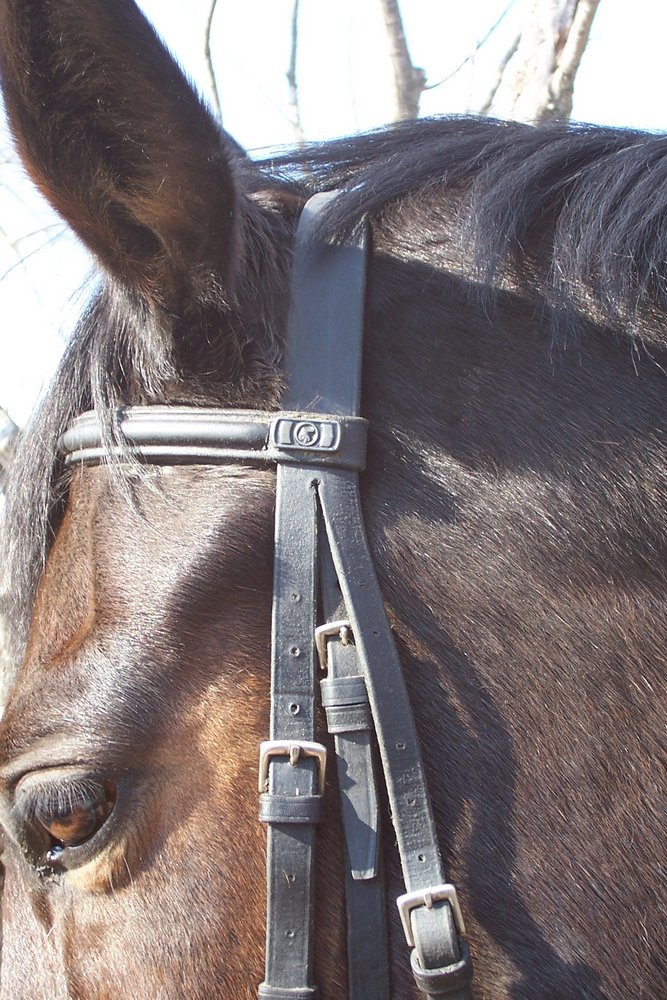
Inspect condition, arrange an appropriate fit assessment, and settle the return terms before treating secondhand tack as a bargain.
Price is only the first question
A secondhand bridle appears in your size, in your preferred color, at a price that makes it hard to ignore. Before arranging collection, pause over three separate questions: is it sound, does it suit the horse and rider, and what will it cost to make it usable? A favorable answer to one does not answer the others.
The British Horse Society says well-cared-for used tack can offer good value, while urging buyers to examine it carefully. The inspection sequence here combines its published advice with MDHorse’s practical suggestions for organizing a purchase. It is not a certification that an item is safe.
Ask for the photographs that answer questions
Start with the seller’s description, then request close views of the parts you cannot assess in the main photograph. Ask what is included, what repairs have been made, and whether anything has been replaced. Keep the answers together so you can compare the item you receive with the item you discussed.
For an English bridle, an editorial photo checklist might include the headpiece, cheekpiece fastening areas, adjustment holes, reins, and every buckle. For Western tack, identify the particular straps, attachment points, and hardware with someone familiar with that equipment. These are prompts for inspection, not a promise that photographs reveal hidden damage.
Look beyond shine and softness
The BHS advises inspecting used bridles, stirrup leathers, and girths for wear or damage. Its buying guidance highlights buckles, fastenings, billets and hooks, and warns against purchasing a bridle with stretched adjustment or fastening holes. It also cautions that unusually soft leather may reflect poor quality or excessive oiling rather than excellent care.
Build the in-person inspection around those details. Take enough time to see the item in good light and inspect accessible surfaces rather than accepting its overall appearance. If damage is suspected, set it aside for assessment by an appropriately qualified saddler or repair professional. Do not assume that cleaning, oil, or a replacement buckle makes the rest sound.
Treat saddle fit as its own appointment
The BHS explains that a saddle needs to suit both the horse and rider. Its saddle-fit guidance also stresses regular cleaning and suitable storage. A familiar brand, attractive leather, or the same stated seat size as a previous saddle does not establish that this particular saddle works for this partnership.
Arrange an appropriate professional assessment before committing where possible. Ask the seller about trial and return arrangements in writing, including deadlines, permitted use, shipping, and who pays the costs. If a trial is unavailable, recognize that you are taking on that uncertainty rather than pretending it has disappeared.
For riders changing disciplines, bring the intended use into the conversation. An English schooling saddle, a Western trail saddle, and specialized competition equipment solve different practical problems. Ask your instructor and a fitter experienced with that type of tack what the assessment needs to cover.
Do the real-cost calculation
Our suggested buying worksheet has four lines: purchase price, professional assessment, necessary repairs or replacements, and transport or return costs. Add a fifth line for unanswered questions. If the supposed bargain depends on an uncertain repair being cheap, obtain the repair advice before paying.
After purchase, label the tack clearly and record any professional work. Recheck its condition during normal cleaning, and ask for help if fit or condition raises concerns. The best secondhand purchase is not necessarily the cheapest item on the page. It is one whose condition, suitability, and total cost you understand well enough to make a calm decision.
Sources & further reading
Sources checked November 20, 2026. These are the underlying sources; MDhorse’s article is an original explanation.