

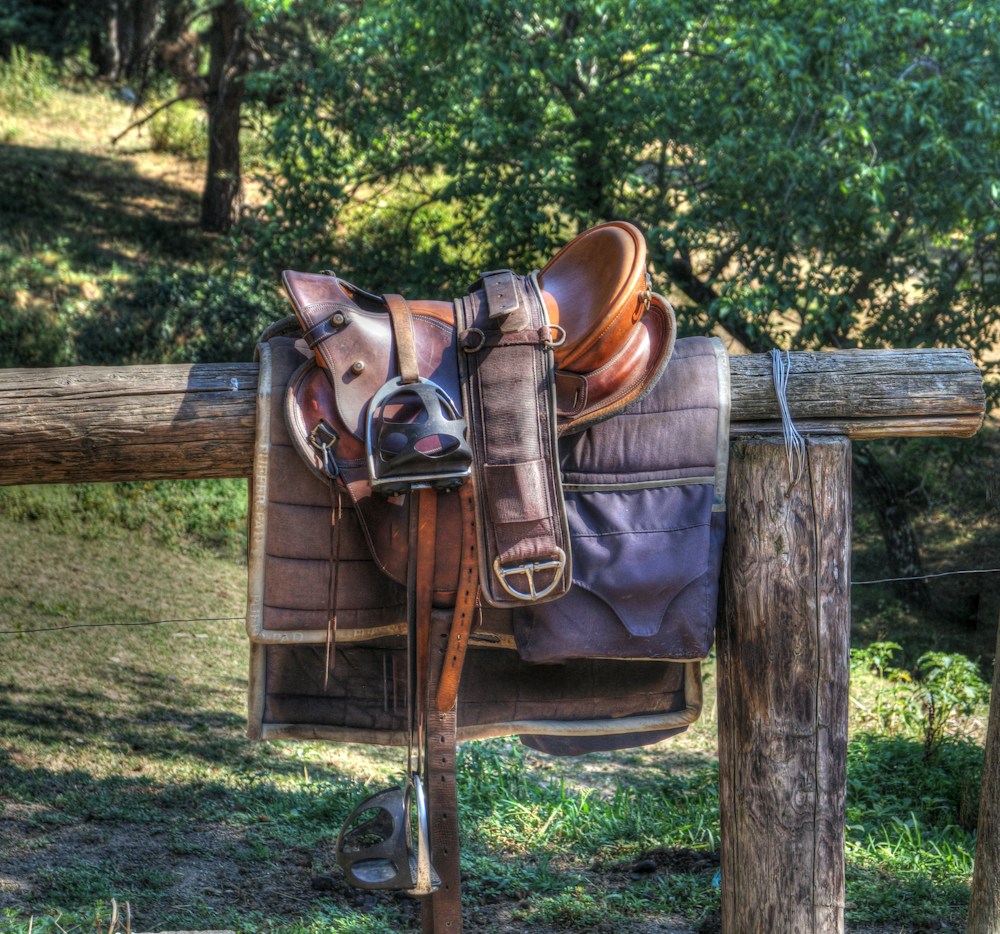
A dated record helps the farrier and veterinarian see the same timeline.
Put the individual horse first
Regular trimming and, when appropriate, shoeing support hoof care. University of Minnesota Extension advises choosing a farrier who works well with the horse and addresses its individual needs. A schedule is most useful when it reflects that horse rather than a universal calendar rule.
Record the work, then the follow-up
Keep the appointment date, farrier’s name, trim or shoeing details, and the next planned visit together. Add dated photographs and brief observations, such as a lost shoe or a change you want the farrier and veterinarian to discuss.
Make the next conversation easier
Notes help you explain when a change appeared and what happened before it. They are a communication aid, not a substitute for examining a painful foot. Ask your farrier how the plan should be adjusted as growth, season, and work change.
Separate a dated observation from a conclusion
A useful record describes what you can see and when you saw it. “Shoe missing after turnout on Tuesday” is a clearer starting point than a guess about why it happened. If you take photographs, label the date and foot so that a series can be understood later.
You do not need to interpret every photograph yourself. The benefit is having consistent information available when the farrier or veterinarian asks a question. Ask them what views or details would be useful for this horse, rather than assuming a picture can replace an examination.
Prepare for the next visit
Before an appointment, review the last work record and make a short list of changes to discuss. Include a lost shoe, a change in work, or an observation you have been asked to track. Keeping the notes together reduces the chance that an important detail is remembered only after the professional has left.
At the end of the visit, confirm the next appointment and any agreed follow-up. Write the professional’s instructions accurately and keep them distinct from your own observations. If different people care for the horse, make sure they can find the current information.
Connect the calendar to the care history
The calendar tells you when something is due; the history explains what happened. Using both gives a fuller picture than either alone. For a problem that needs veterinary assessment, contact your veterinarian rather than waiting for the next routine entry on the calendar. The record is there to improve communication.
Sources & further reading
Sources checked October 26, 2026. These are the underlying sources; MDhorse’s article is an original explanation.