

Choose a safe route first, then discuss hoof protection for that route with your farrier; extra traction does not make ice safe.
Established Extension guidance, not a new clinical trial. Sources date to 2020 and review in 2022; no universal shoeing prescription. Checked November 13, 2026.
Plan for the ground your horse will actually meet
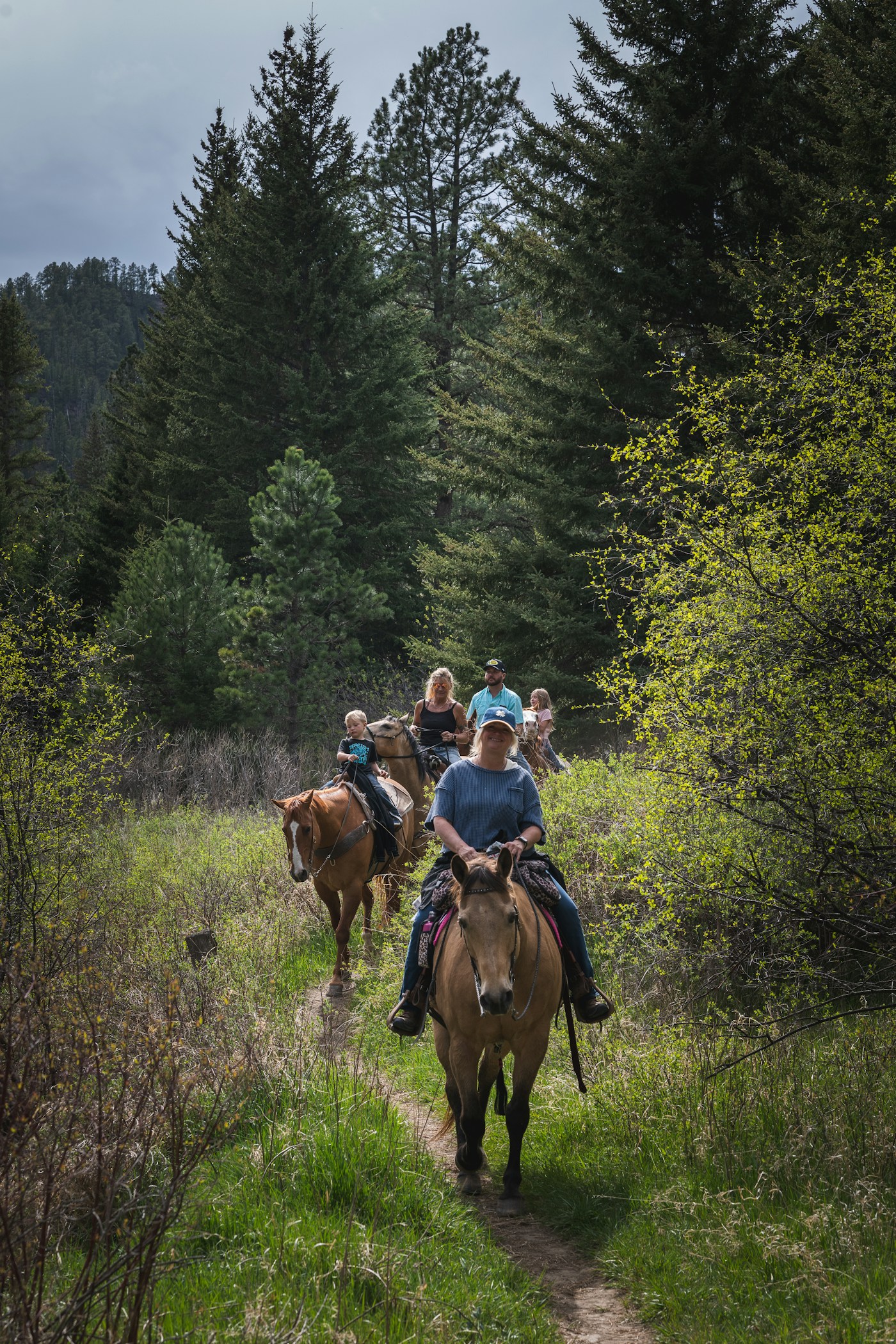
A familiar trail can become a different ride after a freeze. For pleasure riders, the question is not simply whether the horse wears shoes. It is whether the planned route, that day’s surface, and the horse’s usual hoof protection belong together. A shaded slope, a rough frozen gateway, and a level dry track deserve different decisions.
University of Minnesota Extension advises avoiding icy areas and cautions that deep, heavy, or wet snow makes demanding work for an unfit horse. Packed snow under the foot can also affect balance and increase slipping risk. Its winter guidance recommends daily hoof picking, especially following substantial snowfall. These are established management recommendations, not findings from a newly published treatment study.
Bring the farrier a route description
Before changing shoes or adding traction, describe your riding to your farrier: road crossings, rocky stretches, slopes, typical mileage, and whether ice is likely. Ask how the current setup suits those demands. Minnesota Extension discusses snow pads and studs for shod horses, but that is not a recommendation to fit them yourself or use them on every surface.
Extension Horses also emphasizes individual hoof growth and regular trimming or shoeing. Its general winter interval is a range, not permission to postpone an appointment because the calendar says winter. Agree on the next visit using your horse’s feet, workload, and history.
Make a simple decision before mounting
Here is a practical planning exercise: name a short route, a safe alternative, and the condition that would cancel both. For example, an icy access lane might mean no trail outing that day, even if the rest of the woods looks inviting. Tell riding companions that decision before anyone loads a trailer. Turning back is easier when it was already an acceptable option.
On a no-ice route, keep the first outing modest and leave yourself an easy way home. Check the feet before and after the ride. If the horse becomes uneven, sore, or reluctant, stop the outing and seek appropriate professional advice rather than using a longer warm-up to work through the problem.
Keep observations useful
Write down the surface and what you noticed, not a guessed diagnosis: which foot seemed uncomfortable, when it began, and whether a shoe appeared loose. That gives the farrier or veterinarian something concrete to assess. A photograph can help describe a change, but it cannot replace examining the horse. Good trail planning protects the partnership as well as the afternoon.
Sources & further reading
Sources checked November 13, 2026. These are the underlying sources; MDhorse’s article is an original explanation.