

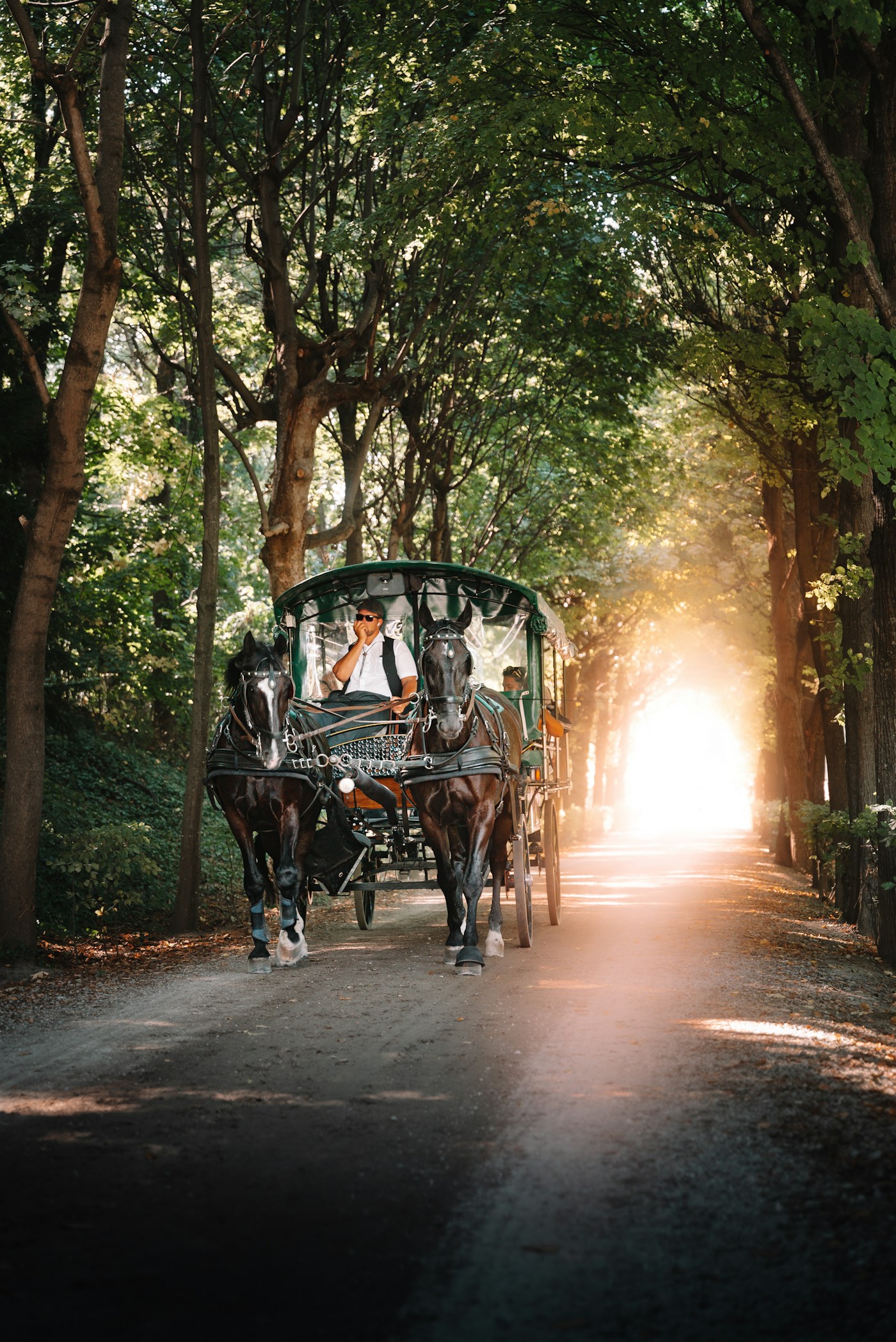
Use an experienced driving instructor to assess the whole turnout before changing the environment or adding traffic.
A new place asks a different question
A horse that drives comfortably at home still needs thoughtful preparation for a different place. So does the person holding the reins. For carriage drivers planning their first outing away from home, a useful goal is a quiet, manageable experience with knowledgeable help, rather than covering a particular distance.
The Carriage Association of America describes Level One of its Driver Proficiency program as a competence evaluation for people ready to drive away from home. It explicitly says this level is not for complete beginners. Its published description covers harness knowledge, harnessing and putting to, practical driving, horse care, and general knowledge. Putting to means attaching the horse to the vehicle.
Build an outing plan with your instructor
Before choosing a venue, ask an experienced driving instructor to assess the horse, harness, vehicle, driver, and available helper together. Write down what each person will do during preparation, arrival, and departure. If one person is uncertain about a task, resolve that in a supervised lesson before the outing.
For example, you might ask for a first visit to a quiet enclosed venue with enough space for the turnout. Discuss footing, slopes, access, other horses, and how people on foot will stay clear. These are planning questions, not instructions for hitching a horse or a claim that any particular venue is suitable.
Treat public roads as another step
CAA separately recommends its Road Driving Assessment before taking horses or ponies onto public roads and into traffic. That distinction is worth keeping in your plan: being ready to leave the home arena does not automatically establish readiness for a road outing. The syllabus description is an educational resource, not a legal authorization or a guarantee against an accident.
Make the first trip easy to review
Agree with your instructor on what would make you stop or change the plan. Equipment concerns, an unsettled horse, or unsuitable conditions deserve a pause and reassessment. There is no need to make a first outing longer merely because the trailer journey took effort.
Afterward, record the place, conditions, people helping, and questions that arose. Bring that record to the next lesson so the next step follows what actually happened. For other disciplines, MDhorse’s existing Schooling with purpose guide remains available in Articles & News. Illustration: this driving image is a general illustration, not a photograph of a reported outing.
Sources & further reading
Sources checked October 30, 2026. These are the underlying sources; MDhorse’s article is an original explanation.