

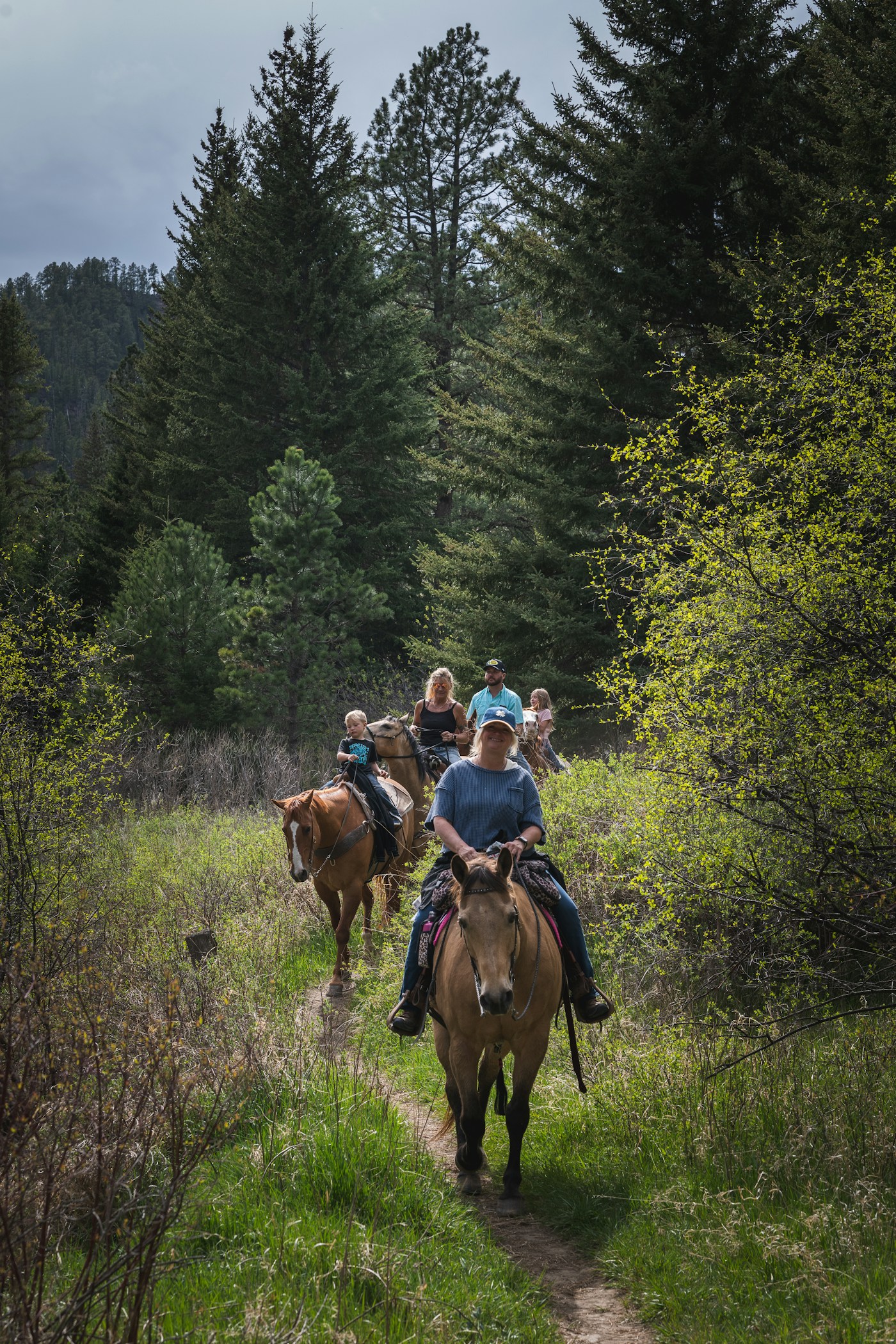
Match the route, equipment, horses, and riders before setting off.
Dress for the ride you are taking
Utah State University Extension recommends appropriate riding footwear and a properly fitted equestrian helmet. A slight heel helps prevent the foot from sliding through a stirrup, while covered, supportive footwear offers protection around horses and on rough terrain.
Make a simple departure check
Before leaving, review the route, conditions, and equipment with your riding companions. Confirm that the plan fits the horses and riders taking part. Preparation is most useful when it happens before you are already committed to a difficult section of trail.
Keep the next ride inviting
Choose a manageable outing and make a note of what you would change next time. The aim is time well spent with your horse, with decisions made early enough to keep the day comfortable for the whole group.
Choose the outing with the whole group in mind
Before setting a destination, discuss the riders and horses taking part. An outing that sounds short on a map may still include unfamiliar surfaces, crossings, or access questions. Ask about the route and choose a plan everyone understands rather than relying on the most experienced rider’s assumptions.
Check the land manager’s current information when using a public trail. Access, parking, and local conditions can change. Keep the official information with the route so that the group can revisit it before leaving the barn.
Make preparation a shared habit
Agree on the departure time, where the group will meet, and how changes will be communicated. Review equipment before loading or setting off, while there is still time to address a problem. Keep the plan simple enough that a late change does not leave people guessing.
Choose one person to keep the route details and make sure the group has an agreed way to stay in contact. The aim is to create a comfortable outing, not a complicated expedition. A few clear decisions made early can save a great deal of uncertainty later.
Keep a note for the next ride
Afterward, record what worked: parking, footing, route length, and anything you would change. Date the note, because conditions on the next visit may differ. These small observations help build a collection of outings that suit the horses and people you actually ride with.
Sources & further reading
Sources checked October 26, 2026. These are the underlying sources; MDhorse’s article is an original explanation.