

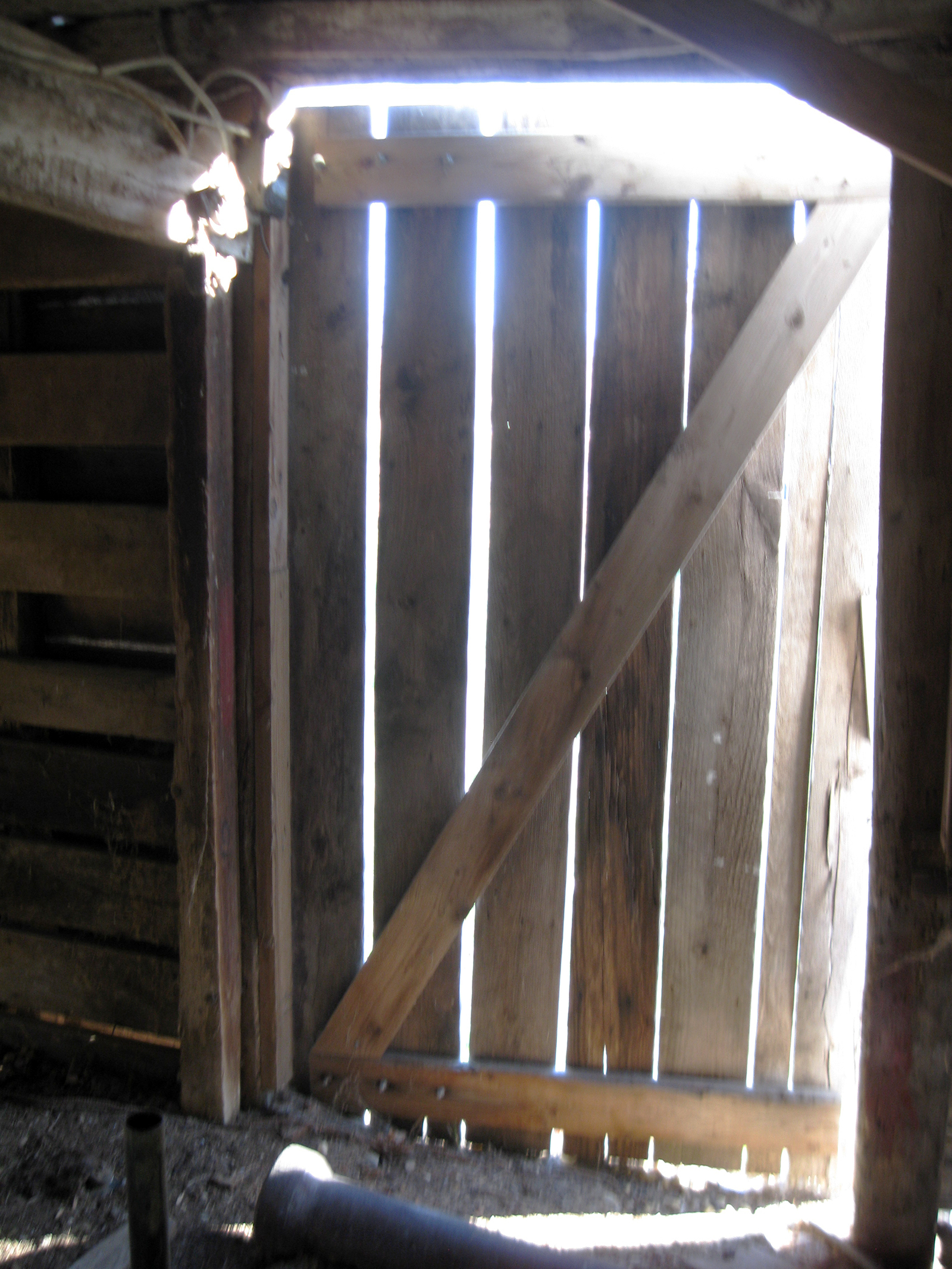
Walk the barn with your local fire service, correct hazards, and make sure everyone knows where to go and how to call for help.
Start with the ordinary evening
The horses are fed, the aisle is swept, and someone is plugging in the equipment that makes winter chores easier. That familiar moment is a good time to stop and look around. What has changed since summer? Which cable now crosses a doorway? What has quietly become a permanent storage spot?
This is a planning guide, not a fire inspection. The aim is to turn a general intention to keep the barn safe into a short, assigned list of improvements. University extension guidance supplies the prevention principles; the walk-through format below is an MDHorse editorial suggestion.
Separate what burns from what starts a fire
Iowa State University Extension recommends keeping hay and organic bedding in a separate section or another building, storing fuel separately, and removing dust, trash, and cobwebs. It also advises monitoring electrical equipment and never leaving space heaters unattended.
Use those principles to trace one working area at a time: feed room, aisle, storage area, then equipment space. Ask where loose packaging accumulates and where a temporary appliance has become routine. Record the actual location of each problem. A note saying 'clear cardboard beside feed-room outlet' is easier to act on than 'improve housekeeping.'
Give the electrical system a qualified review
Minnesota Extension identifies poorly maintained equipment and wiring as fire risks. Its farm guidance, reviewed in 2026, recommends correcting faulty electrical hookups and maintaining equipment and buildings.
An owner’s visual check is useful for noticing damage; it does not establish that a circuit, outlet, heater, or water-heating setup is suitable for this barn. Ask a qualified electrician to assess the installation and intended equipment. Follow manufacturer instructions, and avoid creating a do-it-yourself workaround because the nearest outlet is inconvenient.
Put responsibility beside the task. Who will arrange the electrician? Which equipment stays out of service meanwhile? When will the repair be checked? The list becomes useful when it tells the next person what happens next.
Make the plan understandable to a relief helper
Iowa State advises posting emergency information and keeping halters and lead ropes readily accessible. Minnesota recommends an action plan covering evacuation, emergency shutoffs, and livestock protection.
As an editorial exercise, ask a regular helper to explain the plan without prompting. Can they give emergency responders the correct entrance and address? Do they know the meeting point and the designated safe holding area? Is the route to it clear? Discuss those arrangements with the local fire service, especially where gates, narrow approaches, or several buildings complicate access.
Do not make rescuing equipment part of anyone’s assignment. In an actual fire, call emergency services, get people to safety, and follow responders’ instructions. Never enter a burning or smoke-filled structure to retrieve a horse or belongings.
Finish with three jobs and a review date
Ask your local fire service about a facility visit, appropriate extinguishers, their placement and maintenance, and suitable detection or protection systems. Iowa State specifically suggests professional facility evaluation. Equipment choices should suit the building, rather than a shopping list copied from another barn.
End the walk-through with three priority actions, named owners, and a date to review progress. Leave room for bigger improvements that need estimates. Repeat the conversation when staffing, storage, or equipment changes. A plan that matches the way people actually do chores is much more useful than a pristine document nobody can find.
Sources & further reading
Sources checked November 20, 2026. These are the underlying sources; MDhorse’s article is an original explanation.