

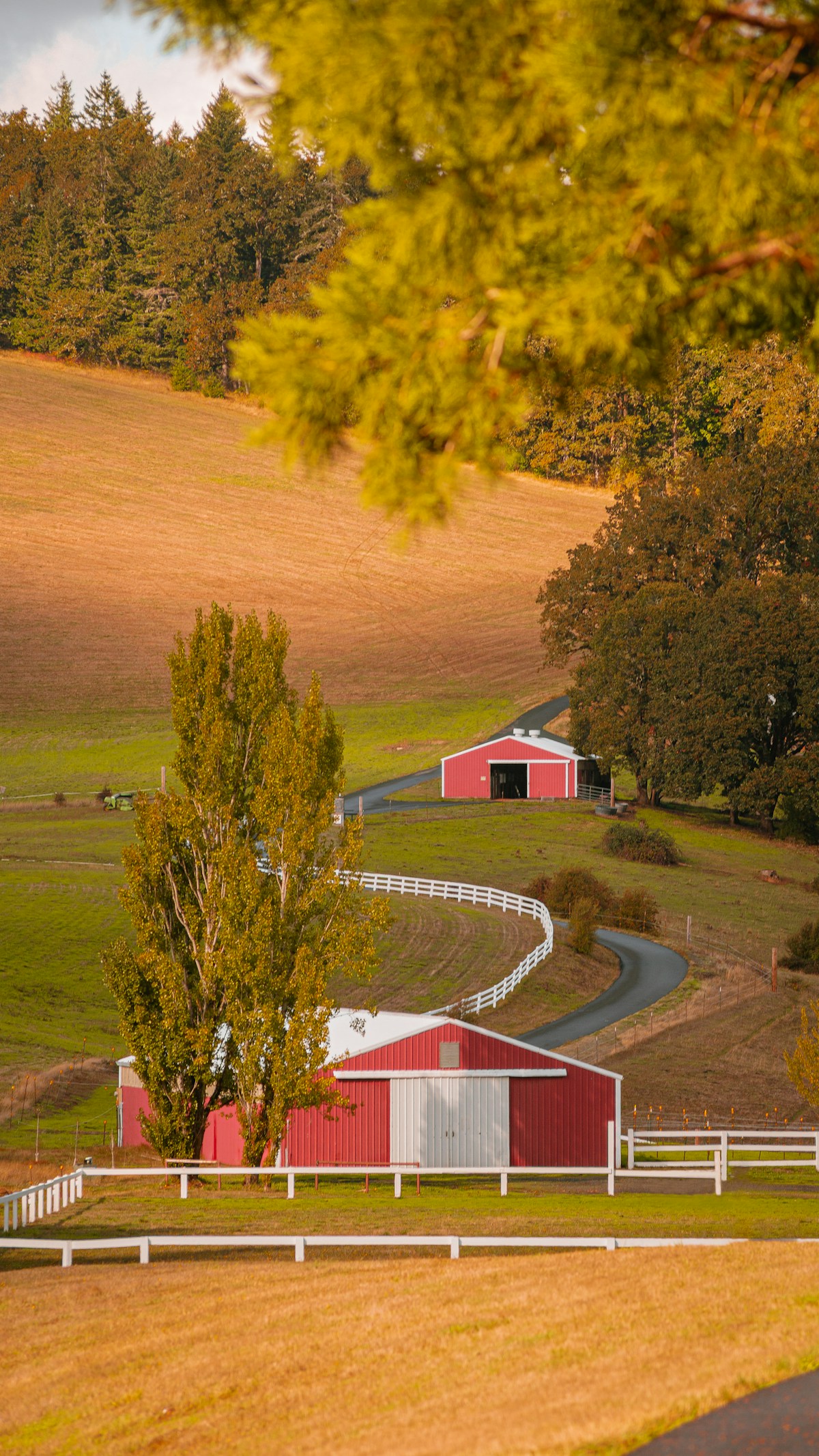
Include recovery time and an alternative turnout area in the grazing plan.
Why the favorite patch gets worn out
Horses select preferred forage and repeatedly graze those areas. University of Minnesota Extension explains that rest and regrowth can reduce stress on desirable plants and help limit overgrazing. Dividing a field into smaller paddocks can make that rest possible.
Plan somewhere for wet days
A designated dry lot or sacrifice area provides a place for horses when pastures are too wet, short of forage, or recovering. It needs appropriate space, water, and shelter; it is part of the turnout plan rather than a forgotten corner.
Watch the field, not just the date
Growth depends on weather, season, soil, and management. Walk the paddocks and record bare areas, regrowth, and grazing pressure. For a Maryland farm, a local Extension adviser can help adapt general principles to the site.
Walk the field with a purpose
Choose a regular time to look at the areas the horses favor, the places they avoid, and the ground around gates and water. A few photographs taken from the same spots create a useful record. You are looking for changes over time, not trying to make a whole-farm decision from one muddy day.
Draw a simple paddock map and note where access, water, and shelter are available. That makes it easier to discuss possible rotations with an adviser or the people caring for the horses. The most attractive division on paper may not be the easiest one to manage each day.
Build a plan the barn can actually follow
Agree on who decides when horses move and how that decision is communicated. A rotation chart needs room for weather and regrowth rather than a promise that every paddock will be ready on a fixed date. Keep the alternative turnout arrangement visible in the same plan.
When considering fencing or drainage work, record the problem you want to solve before buying materials. Better access, less traffic on wet ground, and improved recovery are different goals. A clear goal helps a local professional recommend a change suited to the property.
Use the next season as a comparison
Save the notes rather than starting from memory each spring. Over time, they can show which management choices were practical and which areas need more attention. The archive of your own field observations can be as useful as a perfectly drawn plan that never gets updated.
Sources & further reading
Sources checked October 26, 2026. These are the underlying sources; MDhorse’s article is an original explanation.