

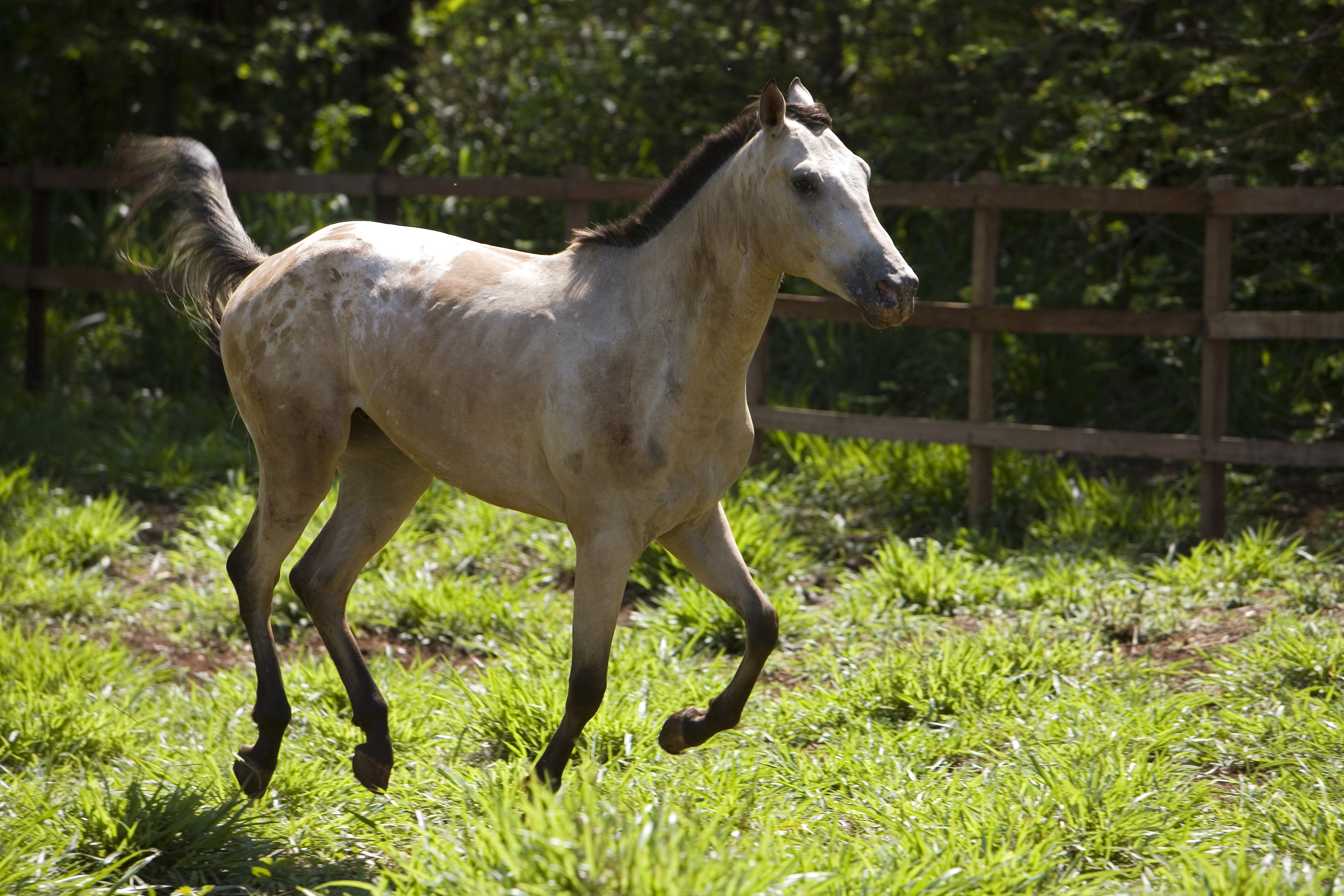
Date the footage, show relevant work clearly, describe its context, and keep video screening separate from an in-person assessment and veterinary examination.
Start with the buyer’s practical question
A polished clip can make a horse look exciting without telling a buyer much about an ordinary ride. Is that a recent session? What level of rider is aboard? Does the horse do the job described in the advertisement, or are we watching one appealing moment from a different stage of its training?
Mississippi State Extension recommends that sale material honestly describe the horse and show work relevant to its advertised purpose. Building on that principle, this is MDHorse’s editorial plan for a useful filming session. It is a communication guide, not a promise of a faster sale or a method for certifying soundness.
Write the shot list before you tack up
Put the horse’s advertised role at the top of a page. Then list the ordinary tasks that help explain that role. A trail prospect, an established hunter, and a horse advertised for cattle work should not need identical films. Show only work the horse and rider can perform appropriately in the available setting.
Mississippi State advises clearly showing walk, trot, canter, and stopping for a prospective or competitive performance horse, together with relevant discipline work. Those are communication goals, not instructions to force a green horse through an exercise for the camera. If a skill is not established, say so rather than staging a misleading demonstration.
Make the context easy to understand
Our suggested opening card gives the horse’s name, filming date, and the type of work shown. In the listing, explain whether this is an ordinary schooling ride or competition footage. Identify older clips as older clips. If several days are combined, label the change rather than implying that everything happened in one uninterrupted ride.
Keep the horse visible and give viewers enough context to follow direction and movement. Use a sensible filming position outside the horse’s path and avoid putting the camera operator in an unsafe place to obtain a dramatic angle. A steady, understandable view is more useful than a close-up that continually loses the horse’s feet.
Use editing to clarify, not to conceal
This is an editorial recommendation: retain a straightforward sequence of ordinary work alongside any short highlight reel. Explain cuts, and be willing to provide a relevant longer segment when a serious buyer asks. Keep original files so a shortened social-media version does not become the only record available.
Do not speed up footage, change apparent stride timing, or substitute music for information that matters to the buyer. If the session shows a limitation or raises a question, address it honestly. A video can make a conversation more efficient; selective presentation should not become a way to avoid that conversation.
Give the viewer a sensible next step
University of Missouri Extension emphasizes selecting a horse for its intended use and rider, evaluating it in person, and obtaining a veterinary examination. Footage helps a buyer decide which questions to ask and whether arranging a visit makes sense. It cannot establish suitability for a different rider or rule out a health problem.
Finish the listing with a clear invitation to discuss the horse’s current work, history, and the viewing arrangements. Keep identity documents and private contact details out of public footage unless their publication is necessary and authorized. Review the ad and video together so they tell the same factual story.
Before posting, ask a knowledgeable person who was not at the filming to watch it. What can they understand? What remains unclear? Fixing one missing explanation is usually more helpful than adding another dramatic transition.
Sources & further reading
Sources checked November 27, 2026. These are the underlying sources; MDhorse’s article is an original explanation.