
Follow the three-phase total within each division; the final cones round can matter as much as the opening dressage test.
Four titles, several kinds of partnership
If you enjoy a competition that asks more than one question of a horse, combined driving offers plenty to follow. US Equestrian’s November 9, 2026 report names four national champions from the championships held November 5–8 at Stable View in Aiken, South Carolina.
Gracie Lewis and Splash of Chrome won Training Single Horse with 99.61 penalties. Susan Guinan and Rocketman PB took Preliminary Single Horse on 103.68. Michael Cece won Preliminary Pair Horse with Clement Galty Lad and Clement Thick as Thieves. Jacob Arnold earned the Advanced Pair Horse title, finishing on 116.98. These are division titles; they should not be collapsed into one overall champion across unlike levels.
Why the last phase deserves attention
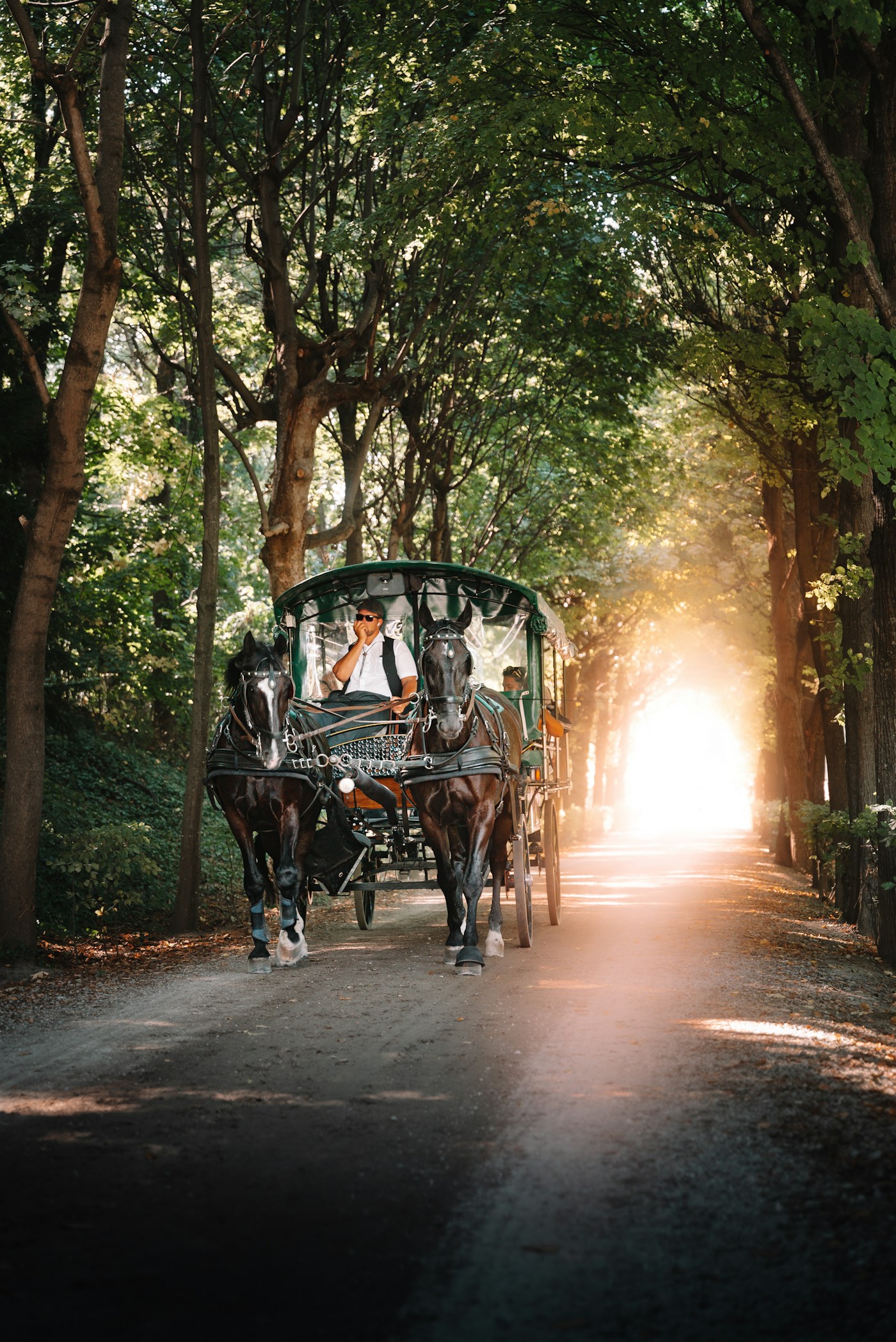
USEF describes combined driving as three phases: driven dressage, marathon, and cones. Dressage assesses the partnership through an arena test. Marathon tests fitness and the ability to negotiate obstacles. Cones asks for accurate driving through narrow pairs of cones, with time also part of the challenge. Penalties accumulate, and the lowest total wins.
In its championship recap, USEF reports that Lewis and Arnold both completed double-clear cones rounds—without obstacle or time penalties. The report describes a course of up to 20 paired cones. Those details help explain why a lead after an earlier phase is not a finished result. Careful driving still has a job to do at the end.
A practical way to enjoy the results
Our suggestion for a first look is to choose a single division, then read its dressage, marathon, and cones columns in order. Ask where the order changed rather than assuming the quickest-looking turnout was the winner. A turnout means the horse or horses, carriage, and people working together; comparing a single horse with a pair is not a like-for-like exercise.
If watching inspires you to try driving, make the next step a conversation with a qualified driving instructor. Bring a modest question, such as what an introductory lesson involves and how the instructor selects suitable horses and equipment. Watching a championship can build curiosity, but it cannot establish that your own horse is ready to pull a carriage. There is room to appreciate the teamwork from the sidelines while taking your own learning at a sensible pace.
Sources & further reading
Sources checked November 13, 2026. These are the underlying sources; MDhorse’s article is an original explanation.